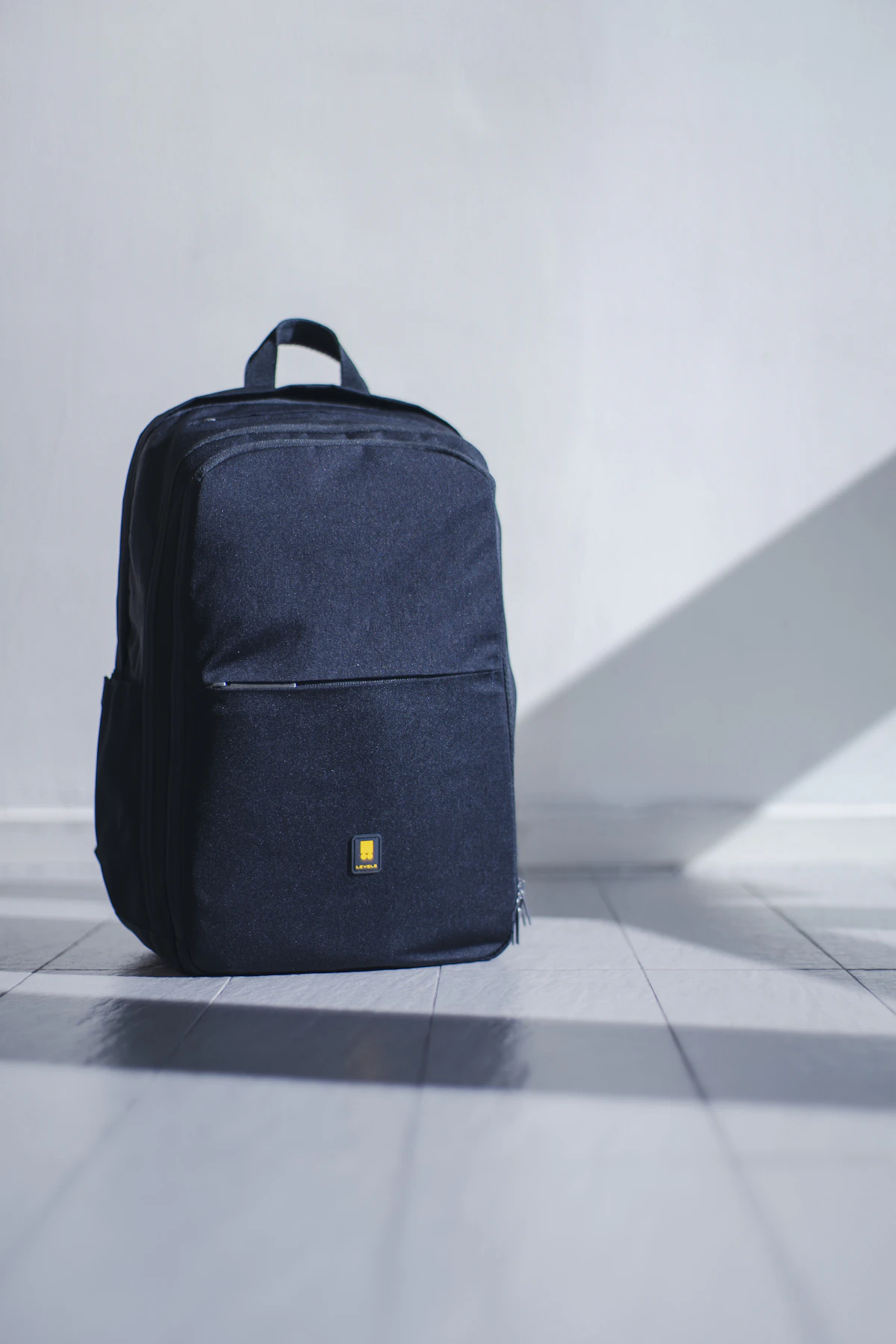
A suitcase can look excellent in a photograph and still disappoint the first time you lift it, extend its handle or close a full zip. The features that decide whether a case is pleasant or frustrating to use are often the least glamorous ones: how much it weighs when empty, how its handles feel under load, and how its zips behave when the case is full. This guide sets out simple hands-on checks for use in a shop, and the questions and details to look for in an online listing, so you can judge a case on evidence rather than on appearance alone.
Weight: Reading the Number and Feeling the Bag
Start with the empty weight, which should appear in the listing or on the label in the shop. The empty weight matters because every kilogram the case itself weighs is a kilogram you cannot spend on what you pack, and because a heavy empty case is harder to lift into an overhead locker, onto a luggage rack or into a car boot. Compare cases of a similar size on empty weight alone before you consider anything else, and be wary of listings that describe a case as light without giving a figure. A number you can compare is more useful than an adjective you cannot check.
Numbers alone do not tell the whole story, because weight is also about balance. A case whose weight sits low and close to the wheels feels lighter to roll than a case whose weight sits high, and a case with a comfortable handle feels lighter to carry than one with a thin or sharp-edged handle. In a shop, lift the case by each of its carry handles, hold it at your side for a few seconds, and lift it to the height of an overhead locker or a luggage rack if you safely can. Then roll it with the telescopic handle extended and notice whether it pulls to one side or feels evenly balanced. If you are buying online, look for the empty weight, the case dimensions and the capacity in litres,.
Handles: The Telescopic Handle and the Carry Handles
The telescopic handle is the part you will use most, so test it thoroughly. Extend it fully and check that it locks firmly at each height, with no wobble from side to side and no tendency to collapse when you pull. Retract it and extend it again several times, because a handle that works smoothly once may stick or jam on the third or fourth try. Hold the grip and roll the case forward, backwards and around a turn, noticing whether the grip feels comfortable, whether your knuckles clear the case, and whether the handle stays at the height you set. A handle that is too short forces you to stoop, while a handle that is too long makes the case hard to control.
Carry handles deserve the same attention. A good top handle lets you lift the case with a full hand, without the edges digging into your fingers, and a side handle makes it much easier to lift a case onto a bed, a rack or into a car boot. Check that each handle is firmly stitched or riveted to the case, that it lies flat when not in use, and that it does not twist under load. On a soft case, look closely at the stitching where the handle meets the fabric, because that joint carries the full weight of the case every time you lift it. On a hard case, check that the handle fixings feel solid and show no cracks in the surrounding shell.
Zips, Seams and Closures Under a Closer Look
Zips do more than open and close a case: on many cases they hold the whole structure together. Open and close every zip several times, slowly, and feel for snagging, stiffness or a pull that catches on fabric. A good zip runs smoothly along its full length, meets neatly at the corners, and closes without needing to be forced. Check the zip pulls themselves: they should be large enough to grip comfortably, firmly attached, and able to accept a small lock if you plan to use one. If a zip has two pulls, check that they meet cleanly in the middle and that the join feels secure.
Look at the seams and edges around each zip. On a soft case, stitching should be even, tight and free of loose threads, especially at corners and stress points where the zip changes direction. On a hard case, check that the zip track sits evenly in its channel and that the shell edges align when the case is closed, with no gap that would let rain or dust inside. Run your hand along the inside of the case as well, feeling for sharp zip ends or rough stitching that could snag clothes. Small defects in these places are easy to miss in a quick glance, but they become daily irritations once the case is in regular use.
Buying Online: What Listings Should Tell You
When you cannot handle a case before buying, the listing has to do the work of a shop visit, so judge the listing as carefully as you would judge the case. A good listing states the empty weight, the external dimensions including wheels and handles, the capacity, the materials used, and the warranty terms, all in figures rather than vague claims. It should also show clear photographs of the case from several angles, including the wheels, the handle in its extended position, the zips and the inside of the case. If a listing hides the wheels or the handle, shows only one angle, or gives no dimensions, treat that as a gap in the evidence, not as a minor omission.
Finally, check the practical terms of the purchase itself. Confirm the returns window, whether return postage is free or charged, and whether the case must be unused and in its original packaging to be returned. Check the delivery terms and the total cost, and read recent customer reviews with care, looking for repeated comments about weight, handles or zips rather than a single complaint. Airline size limits usually include wheels and handles, as explained in the IATA passenger baggage rules, so measure the case against your own airline limits when it arrives, before you remove tags or pack for a trip. A careful online check takes a little time, but it is far easier than discovering a problem at an airport.